July 30, 2026
Buying a replacement engine is a major decision because the wrong choice can create new mechanical problems instead of solving the original one. Price matters, but condition, compatibility, maintenance history, and seller transparency matter just as much. A quality used engine should match the vehicle, show reasonable wear for its mileage, and come with enough information to support a confident decision. The best approach is to combine visual inspection, records review, operating checks, and professional guidance rather than relying on appearance alone.
Confirm Compatibility Before Inspecting Condition
An engine can be mechanically sound and still be wrong for a particular vehicle. Compatibility should be verified before evaluating the rest of the unit. Engine size, model year, mounting points, transmission pairing, electronic controls, and fuel-system specifications may all affect whether it will fit and operate correctly.
The vehicle identification number, engine code, and manufacturer specifications can help narrow the search. Matching only the general make and model is not always enough because vehicles may use different engines within the same production year. A used engine that requires extensive modifications or incompatible control components may create more expense than expected.
A technician can compare the replacement engine with the vehicle's existing configuration and identify differences that may affect installation. Verifying fitment first helps prevent the purchase of an engine that cannot be used without costly changes.
Review Mileage and Service History Together
Mileage is important, but it should not be considered by itself. A lower-mileage engine that received poor maintenance may be riskier than a higher-mileage unit with consistent oil changes and documented repairs. Service records provide context for how the engine was cared for and whether recurring problems were addressed.
Look for records showing oil changes, cooling-system service, belt or chain replacement, gasket work, and other major maintenance. Repeated repairs involving the same issue may suggest an unresolved problem. Missing records do not automatically make an engine unusable, but they increase uncertainty and make inspection more important.
According to Archive Market Research, the remanufactured engine market, a major part of the used-engine ecosystem, is projected to reach about $1.34 billion in 2025 and grow at roughly 4.2% annually through 2033. That growth reflects continued demand for alternatives to new engines, but condition and rebuilding standards can vary widely.
Inspect for Leaks, Corrosion, and Visible Damage
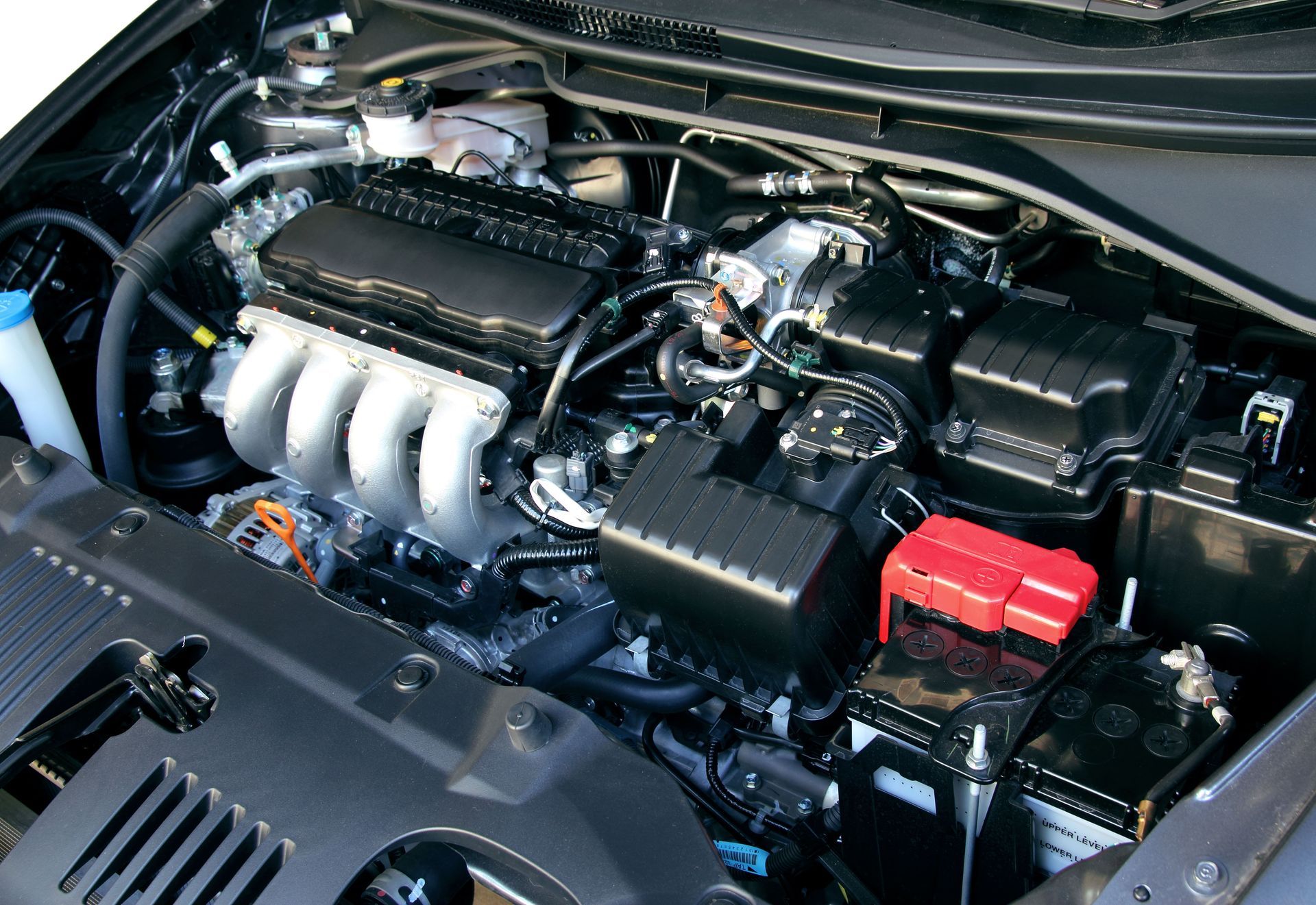
A visual inspection can reveal signs of neglect, overheating, impact damage, or long-term fluid loss. Check the exterior for oil residue, coolant staining, cracked housings, damaged mounting points, corrosion, and missing components. Freshly cleaned surfaces deserve careful attention because cleaning may hide an active leak.
Oil around seals or gaskets may indicate a repair need, while coolant residue can point to leakage from hoses or fittings. Surface corrosion may be minor, but heavy rust around structural areas or connections deserves closer attention. Cracks, broken brackets, or obvious repair marks should also be evaluated.
A clean exterior is encouraging, but it does not prove that the internal components are healthy. Any visible problem should be considered alongside mileage, history, and operating or diagnostic results.
Check Oil Condition and Internal Warning Signs
Engine oil can provide clues about maintenance and internal wear. If access is possible, inspect it for unusual thickness, metal particles, sludge, contamination, or a milky appearance. Dark oil is not automatically a sign of failure, but heavy deposits or visible contamination may indicate poor maintenance.
Metallic particles can suggest excessive wear, while a milky appearance may indicate moisture or coolant contamination. Thick sludge can restrict lubrication and may point to long intervals between oil changes. These findings should not be dismissed simply because the engine starts or appears clean externally.
The oil cap and accessible internal surfaces may also offer useful information. Heavy deposits, burned residue, or strong odors can indicate overheating or neglected service. A quality used engine should not show clear evidence of severe contamination.
Examine Belts, Hoses, and External Components
Belts, hoses, connectors, and attached components can reveal how carefully the engine was maintained. Cracked hoses, frayed belts, damaged wiring, broken connectors, and missing hardware may indicate neglect or rough removal from the previous vehicle.
Check whether components appear original, professionally replaced, or modified. Unusual alterations, nonstandard fittings, or improvised wiring may create compatibility or reliability concerns. Modifications are not automatically harmful, but the buyer should understand what changed.
The engine should also be inspected for damage caused during removal or storage. Bent brackets, broken sensors, damaged plastic components, and exposed openings can increase installation costs. Properly sealed ports and protected surfaces suggest more careful storage.
Listen to the Engine Run When Possible
Hearing and observing the engine in operation provides information that a stationary inspection cannot. Listen for knocking, tapping, rattling, grinding, or uneven operation. Watch for excessive vibration, smoke, warning lights, or unstable idle.
Exhaust smoke can be informative. Blue smoke may suggest oil burning, white smoke can be associated with coolant or condensation depending on conditions, and heavy black smoke may point to an overly rich fuel mixture. The meaning varies by engine type and operating temperature, so diagnosis should not rely on color alone.
When the engine cannot be run, ask why and request alternative evidence such as compression results, diagnostic information, or documentation from the seller. A used engine sold without operating proof carries more uncertainty, and the price should reflect that risk.
Ask About Testing, Warranty, and Return Terms
A seller should be able to explain what testing was completed before the engine was offered for sale. Depending on the situation, testing may include compression checks, oil-pressure evaluation, diagnostic scanning, or confirmation that the engine ran before removal. Buyers should request written results when available.
Clarify the length of warranty coverage, what failures are included, whether labor is covered, and what conditions could void it. Some sellers require specific installation procedures or documentation from a qualified installer.
Return policies should also be reviewed before payment. Ask what happens if the engine is incompatible, arrives damaged, or fails shortly after installation. A clear written policy offers more protection than a verbal promise.
Compare Total Cost, Not Just Purchase Price
The listed price is only one part of the expense. Installation labor, fluids, gaskets, belts, hoses, sensors, shipping, and related repairs can significantly affect the final cost. A cheaper engine that needs several components replaced may cost more overall than a better-maintained option with a higher initial price.
Buyers should also account for limited records or no warranty. Paying more for documented condition, testing, and clear return terms may provide stronger value than choosing the lowest price.
Make the Decision Based on Evidence
A quality used engine should match the vehicle, show acceptable wear, have a credible history, and come with enough testing or operating evidence to support the purchase. Visual condition, oil quality, external components, unusual noises, warranty terms, and total installation cost should all be considered together.
The goal is not to find an engine that merely looks clean or carries the lowest price. It is to choose one that presents a reasonable balance of condition, compatibility, documentation, and protection. A disciplined inspection process gives buyers the best chance of avoiding hidden problems and investing in an engine that can return the vehicle to dependable service. If you're looking for a quality used engine, don't hesitate to turn to A-Affordable Auto Parts!